
What the 2026 Code Cycle and the Electrician Shortage Mean for Contractors
A new National Electrical Code cycle is tightening who can legally install EV charging equipment, arriving at the same moment the industry is short the workforce to keep up with it.
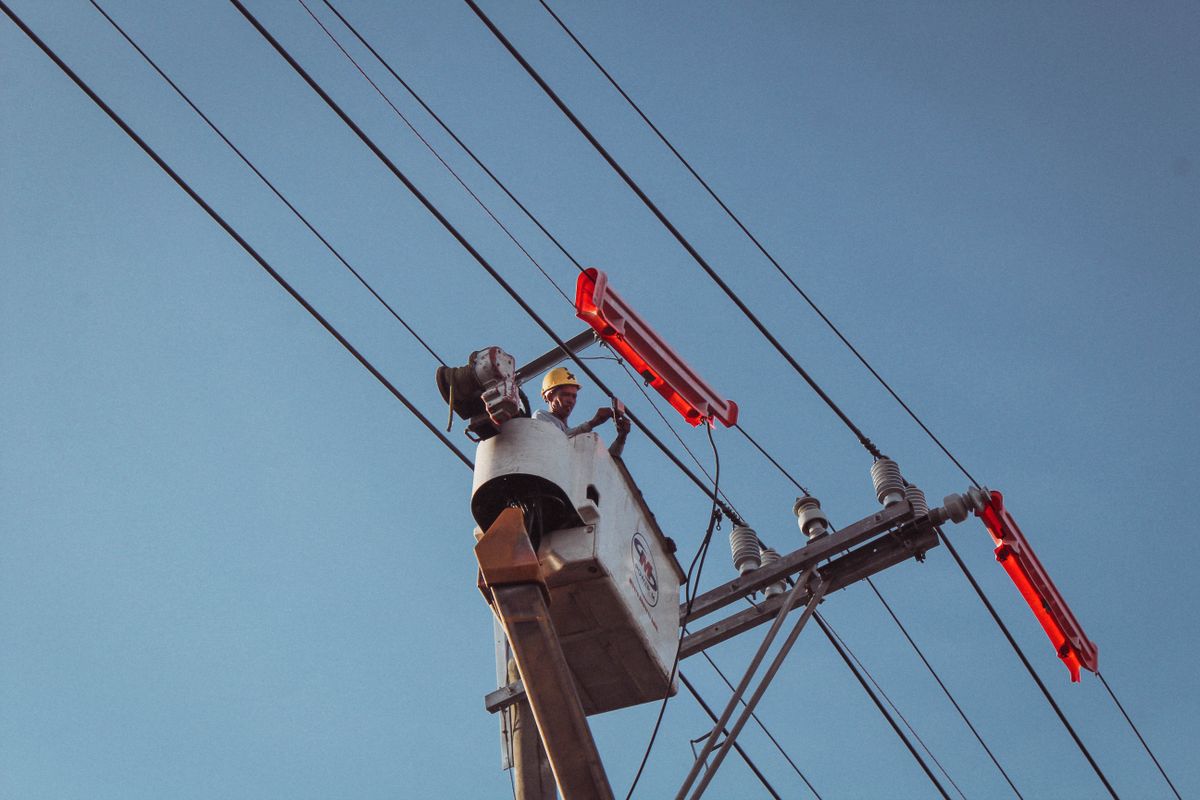
Every three years, a new edition of the National Electrical Code works its way through public comment, committee review, and eventual publication, and most cycles pass with only the people who write exam prep materials paying close attention. The 2026 edition is landing differently, arriving at the same moment EV charging, heat pump conversions, and solar and battery installs are all accelerating demand for exactly the kind of work the code is tightening rules around, and at the same moment the industry is short the workforce to keep up with any of it.
A code cycle built around electrification
The 2026 NEC broadens its coverage of electric-vehicle power transfer equipment beyond passenger EV chargers to a wider range of electrically powered equipment, and it tightens who is allowed to install that equipment. Level 2 chargers and above are treated, more explicitly than in prior editions, as work that requires a qualified electrical contractor rather than a general handyman or a DIY install pulled from a big-box store. The new edition also adds emergency shutoff requirements for EV charging equipment installed in commercial and public locations, and extends ground-fault protection requirements to equipment, including HVAC units, that previously fell outside that rule in some jurisdictions.
Roughly how many inbound calls do you take in a week?
Tap to start. 5 quick questions, then see your monthly number.
Why "just add a charger" was already the wrong framing
For contractors, the practical effect is less about learning brand-new skills and more about a widening gap between code-compliant work and the unlicensed EV charger installs that have quietly become common as EV adoption outpaces the electrician supply in some markets. A homeowner who has a neighbor with an electrical background wire in a charger, or has one bundled into a home-charging kit without a permit, is taking on real risk that a licensed install with proper load calculations and inspection sign-off doesn't carry. As jurisdictions adopt the 2026 edition on their usual staggered timelines, that gap becomes a more explicit differentiator for shops that do the work correctly, and a more explicit liability for the installs that didn't.
What inspectors will actually be checking for
Contractors who've reviewed the new edition closely point to a practical shift rather than a dramatic one: the paperwork and sign-off expectations around EV equipment installs are catching up to what careful shops were already doing informally. A proper load calculation that accounts for a charger running at the same time as HVAC and other major draws, documented rather than eyeballed, is likely to become the baseline an inspector expects to see rather than a nice-to-have. The emergency shutoff requirement for commercial and public charging locations adds a genuinely new line item to those installs, not just a documentation change, and shops bidding commercial or fleet charging work will need to price and plan for it rather than treat it as an afterthought added at final inspection.
The code isn't just getting stricter for its own sake. It's catching up to the fact that a lot of EV charger installs happening right now aren't being done by anyone qualified to do them.
The workforce math behind the timing
The timing is difficult because the code change lands on top of a labor shortage that trade publications have been tracking closely. The Bureau of Labor Statistics projects tens of thousands of electrician job openings a year through the mid-2030s, with employment in the trade expected to grow faster than the average across all occupations, driven in large part by exactly the electrification demand the new code addresses. At the same time, industry workforce analyses have pointed to a persistent gap between electricians retiring or leaving the field each year and the number of new workers entering it, a gap that a standard four to five year apprenticeship pipeline can't close quickly even where enrollment is rising, since today's new apprentice doesn't reach journeyman-level output until years from now.
That lag matters for how shops should read this moment. A code cycle raising the bar on qualified installers would be a minor operational adjustment in a labor market with plenty of slack. Landing in a labor market that's already short experienced electricians, and where the pipeline replacing them runs half a decade behind demand, it becomes a more immediate constraint on how fast the compliant side of the EV charging market can actually grow, even as demand for that work keeps climbing.
What this means for a shop's roadmap
For an existing shop, the near-term opportunity is less about chasing every EV-related lead and more about making sure current techs are actually current on what changed: load calculations for combined EV and HVAC demand, the new shutoff requirements, and the documentation an inspector will expect to see under the updated code. Shops that invest in that training now, ahead of full local adoption, are positioning themselves as the credible, compliant option in a market where a meaningful share of competing installs won't be. Some shops are also using the moment to make a deliberate case to techs weighing whether to stay in residential service work or move toward the better-paying electrification and commercial charging work now emerging, framing continued training as the path to that higher-value work rather than a compliance chore layered on top of an already full schedule.
For a shop weighing where to put its next apprentice slot or its next training dollar, the workforce data points in the same direction the code does. Electrification-adjacent work isn't a passing trend tied to one incentive program or one model year of vehicles, it's the demand driver the next several years of the trade are likely to be built around, and the contractors who treat code compliance as a competitive advantage rather than paperwork are the ones best positioned to capture it as the code, and the market, keep moving in the same direction.
Most shops lose more booked work at the phone than they realize. See your monthly number.
See my number →